

Investing in a commercial floor scrubber is a significant decision for any business. With various sizes, power sources, and brush types available, selecting the right equipment can directly impact productivity, facility safety, and overall cleaning efficiency in your operations. In this guide, we’ll explore the top factors to consider when choosing a floor scrubber to help you make an informed investment.
1. Facility Size and Layout:
The total square footage of your facility dictates whether you need a walk-behind or a ride-on floor scrubber. For tight aisles and smaller spaces like retail stores, a compact walk-behind unit (like the Tennant T3) offers maximum maneuverability. For massive spaces like large warehouses or supermarkets, a ride-on unit (like the Advance SC3000) significantly cuts down cleaning time.
2. Battery vs. Corded Power Sources:
Choosing between a battery-powered or a corded electric scrubber depends on your facility’s layout. Battery-operated models provide maximum freedom of movement and are essential for busy areas like supermarket aisles where cords pose a tripping hazard. Corded models, on the other hand, offer unlimited runtime and are great for continuous cleaning in smaller, unobstructed spaces close to power outlets.
3. Brush and Pad Options for Your Floor Type:
Different floors require different cleaning surfaces. For smooth, tiled commercial floors, cylindrical brushes or soft cleaning pads work beautifully to lift dirt without scratching. For rough concrete surfaces or heavily soiled warehouse floors, aggressive disk brushes are necessary to deeply scrub away grime. Selecting the wrong brush type can either damage your floors or leave them poorly cleaned.
4. Type of Debris and Tank Capacity:
Consider what kind of debris your scrubber will face. Standard floor scrubbers are designed for liquids and fine dust. If your facility has loose solid debris like wood chips or plastic wrap, you might need a sweeping scrubber that sweeps and scrubs simultaneously to prevent vacuum clogs. Additionally, larger solution and recovery tank capacities reduce the time your staff spends emptying and refilling the machine during a shift.
5. Availability of Local Technical Support and Parts:
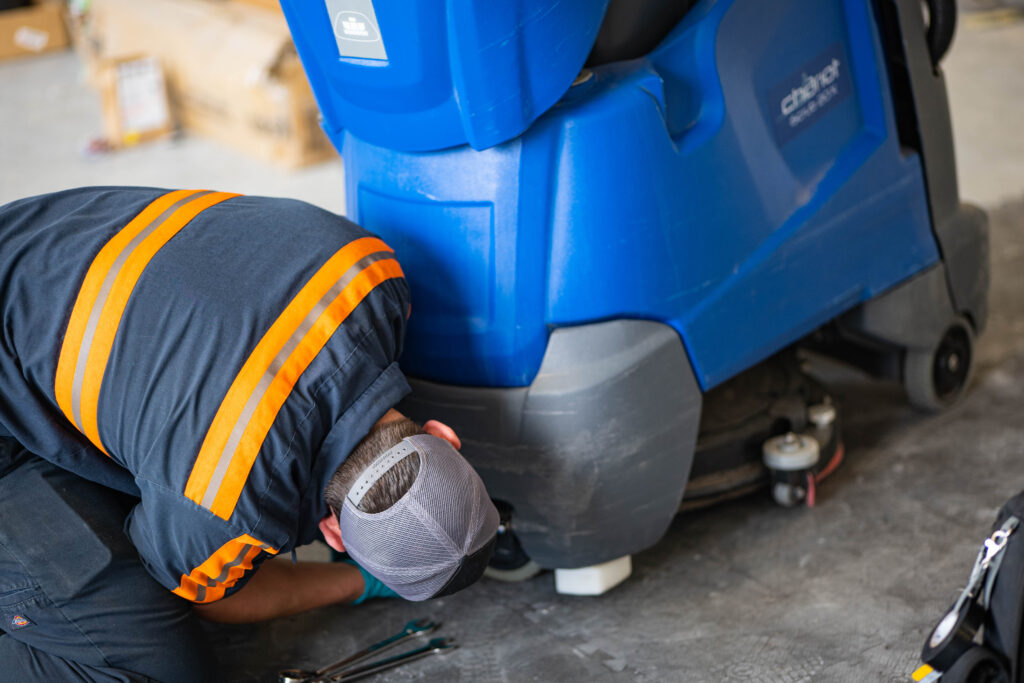
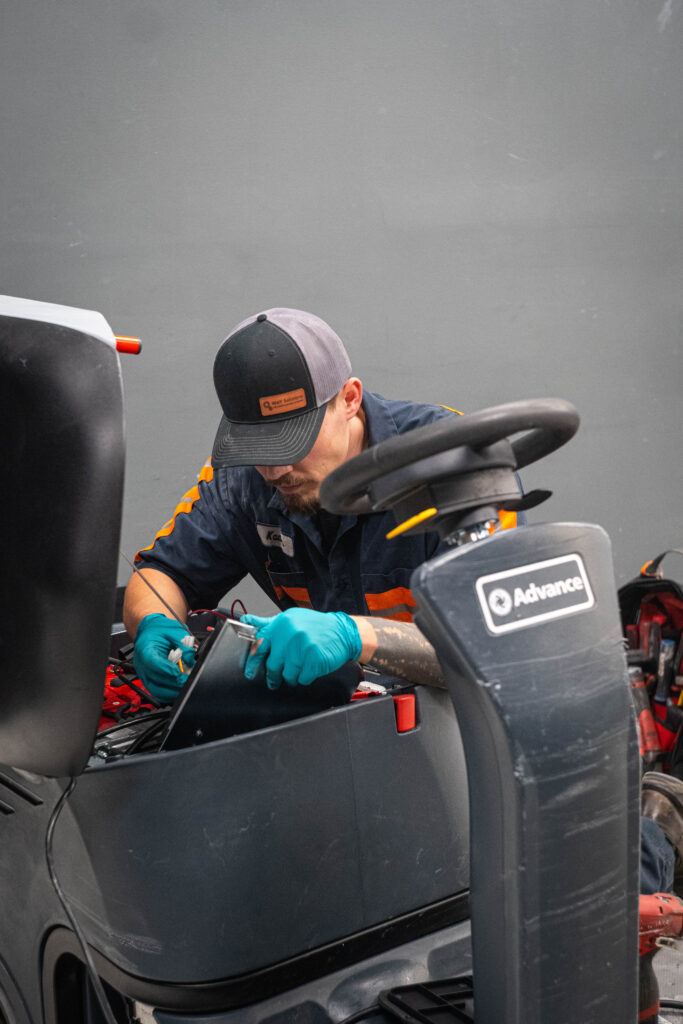
No matter how durable your industrial floor scrubber is, wearable components like squeegee blades, carbon brushes, and vacuum seals will need periodic replacement. Before buying, ensure you have access to a reliable, local technical service team that can provide quick diagnostics, preventative maintenance, and OEM parts. Choosing a machine without local support can turn a simple breakdown into weeks of operational downtime.
Conclusion:
Choosing the right commercial floor scrubber requires balancing your facility’s specific dimensions, your floor type, and your long-term maintenance strategy. By carefully evaluating size requirements, power sources, brush options, and tank capacities, you can guarantee a clean, safe work environment while maximizing the return on your investment. At WAY Solutions, we are dedicated to helping you select, maintain, and repair your industrial cleaning fleet to keep your operations running seamlessly for years to come.
Leave a Reply